Image: Pierre Baaklini
Drive Throw
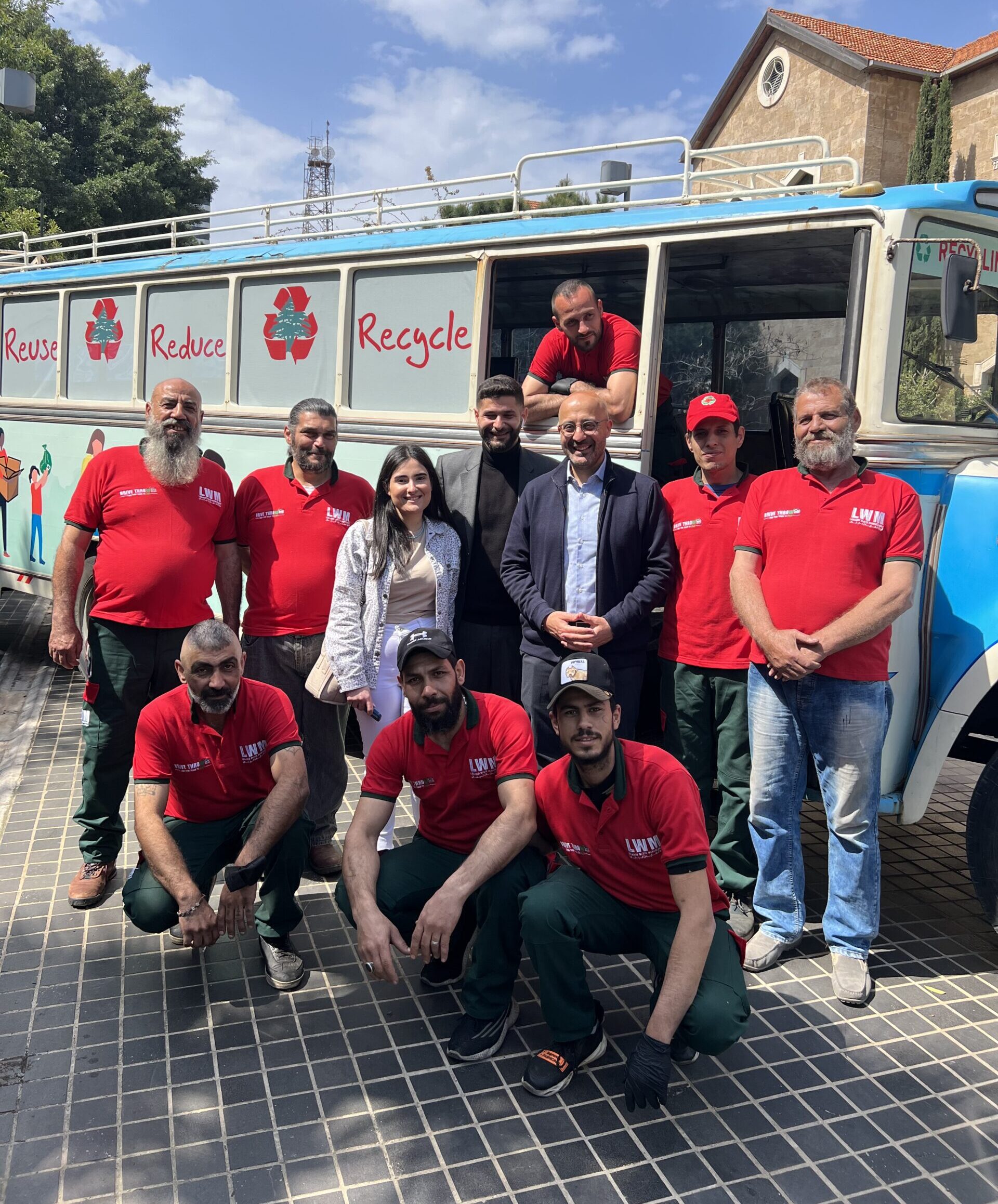
Drive Throw is Lebanon’s first drive-thru recycling initiative launched in 2022 by Lebanon Waste Management (LWM) to address the country’s growing waste crisis and low recycling rates. It provides a convenient, rewarding solution for citizens to sort their waste at home and drop it off at designated centers, where it is weighed and exchanged for cash.
The model empowers communities to actively participate in waste management by making recycling simple, accessible, and economically beneficial. Drive Throw currently operates five branches across Lebanon and has conducted over 90,000 transactions, diverting 2000 tons of recyclables from landfills.
What makes Drive Throw unique is its ability to combine environmental impact with behavioral change. By incentivizing sorting at the source, it fosters a culture of sustainability and contributes to a circular economy. Recognized as the “Champion of Plastic Pollution Prevention in the Mediterranean” by the EU-WES program in 2024, Drive Throw is a scalable model that can be replicated regionally to transform waste into value and build resilient communities.
Drive Throw operates innovative drive-thru recycling centers where citizens deliver pre-sorted materials, which are weighed using calibrated scales and instantly monetized. A proprietary digital platform tracks all transactions and quantities in real-time, ensuring operational efficiency, data accuracy, and traceability. Core activities include community engagement campaigns promoting source separation and partnerships with municipalities and NGOs to expand outreach. Drive Throw purchases recyclables—including paper, plastics, and metals—from customers and channels them into Lebanon Waste Management’s recovery operations. The model employs behavioral incentives and data-driven monitoring to optimize resource flows and foster a scalable, circular economy solution.
Name of organisation
Lebanon waste management
Operation time
2022 to date
Location of headquarters
Lebanon
Scope
Locations at multiple cities in Lebanon
Focus Areas
Reduction; Collection; Recycling; Data collection; Behaviour change; Financing
Target waste stream(s)
Plastics; Paper & Cardboard; Metals, Textiles; Electronic Waste (e-waste)
Primary funding sources
Private; Revenue from recyclables
Target groups
Households, municipalities, NGOs, and private sector partners
Website
1,709 tonnes of waste diverted from landfills
85,293 customer transactions since launch
7,336 recurring users
Over 11 billion LBP payments to citizens
Transformed recycling behavior by fostering a culture of sorting at source
Promoted social inclusion by engaging vulnerable groups
Influenced municipalities to integrate source separation into their waste strategies
Improved community health and quality of life
People
Strong leadership from Lebanon Waste Management, dedicated operational teams, and active community participation.
Technology
A proprietary digital platform for real-time monitoring of quantities and transactions, calibrated weighing systems, and efficient logistics infrastructure.
Finance
A self-sustaining business model where revenues from selling recyclables fund operations and citizen payments.
Regulations & Policies
Collaboration with municipalities and alignment with Lebanon’s waste management frameworks ensure operational legitimacy and scalability.
Behavioral Change Takes Time: Encouraging citizens to sort waste requires continuous education and incentives. We addressed this through awareness campaigns and instant cash rewards to motivate participation.
Operational Efficiency is Crucial: Managing high transaction volumes demanded investment in a digital platform to track quantities, payments, and customer data in real-time, ensuring transparency and scalability.
Building Partnerships Strengthens Impact: Collaboration with municipalities and private sector stakeholders helped overcome regulatory and logistical challenges, enabling smoother operations and community trust.
1. Assessing local waste streams, community behavior, and regulatory frameworks to tailor the model to regional needs.
2. Establish partnerships with municipalities and private sector actors to ensure support and material recovery channels.
3. Build a digital platform for monitoring transactions and customer engagement.